
MALATI CHOUDHURY
September 3, 2026
HAREKRUSHNA MAHATAB
September 3, 2026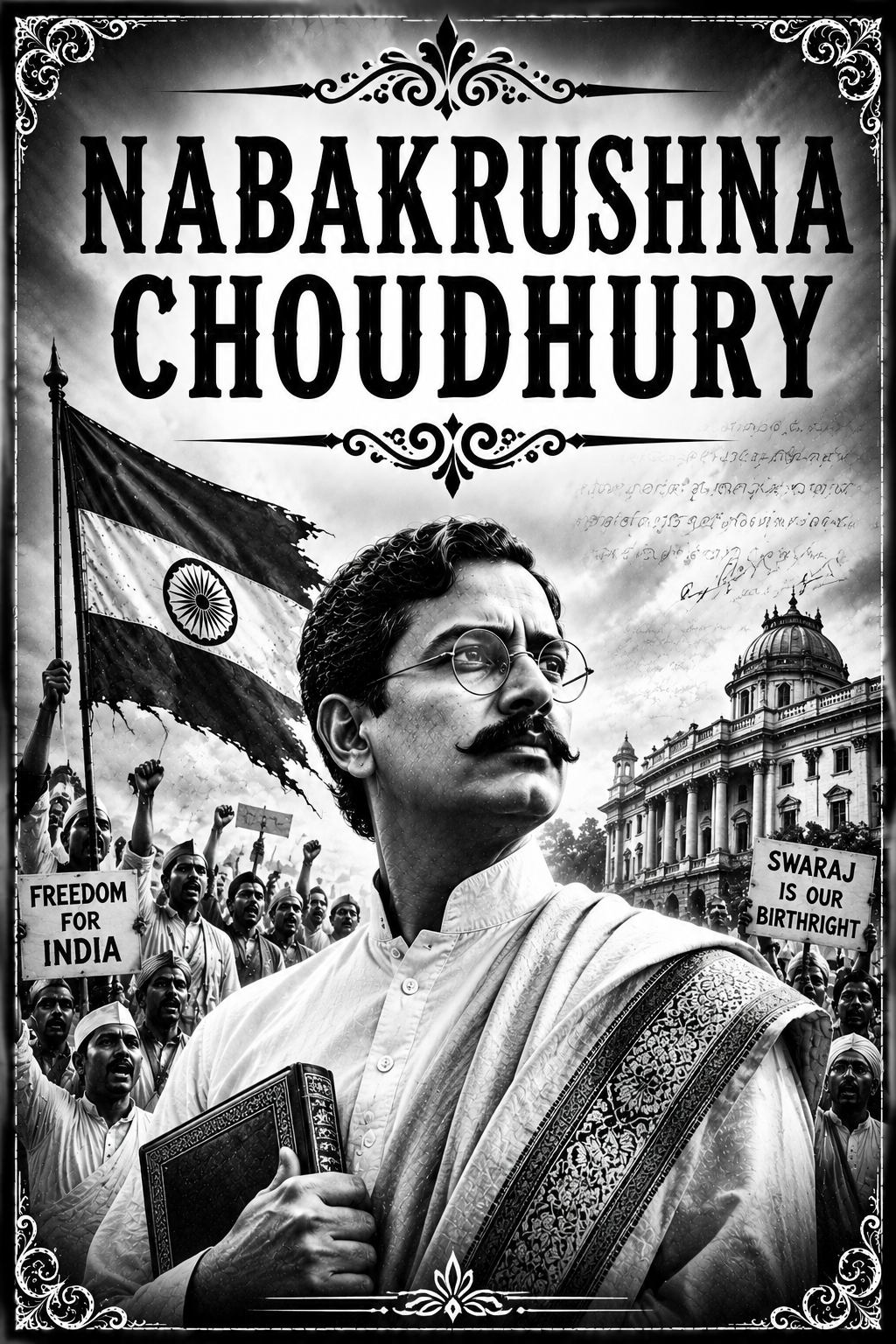
NABAKRUSHNA CHOUDHURY
Original price was: ₹199.00.₹9.00Current price is: ₹9.00.
He gave up wealth, privilege, and the corridors of imperial prestige to step into the dust of rural India. He was a student rebel who dropped out of college at Mahatma Gandhi’s call, an agrarian revolutionary who plowed the fields alongside landless sharecroppers, and a statesman who shattered the centuries-old feudal order. Yet, when political authority demanded a compromise with his conscience, **Nabakrushna Choudhury** chose moral truth over power, walking away from the highest office in the state to remain forever a servant of the people.
Born into an eminent and affluent family of legal luminaries in Cuttack, Nabakrushna’s life seemed preordained for elite success. But when his elder brother resigned a high-ranking British post to join the freedom movement in 1921, young Nabakrushna did not hesitate: he tore up his textbooks at Ravenshaw College, renounced colonial degrees, and threw himself into the storm of the Non-Cooperation Movement. He cleaned open latrines to break the chains of untouchability, spun homespun khadi on the charkha, and spent years in the harsh penal wards of Hazaribagh, Cuttack, and Berhampur Central Jails during the Salt Satyagraha and the Quit India uprising.
Refusing the comfortable life of an urban intellectual, Nabakrushna and his legendary wife, Malati Choudhury, moved into a mud-and-thatch hut in the remote village of Anakhia. Working behind draft bullocks in the monsoon mud, he lived the daily agony of the exploited tenant farmer. Combining the spiritual non-violence of Gandhi with the egalitarian clarity of democratic socialism, he co-founded the Utkal Congress Socialist Party in 1933 and organized the Utkal Krushak Samiti in 1935, turning a terrified peasantry into an unyielding army of civil resistance.
When India won her hard-fought independence, Nabakrushna was summoned to lead as the Chief Minister of Odisha from 1950 to 1956. Bringing the radical simplicity of the Gandhian ashram directly into the state secretariat, he refused official mansions and luxury motorcades, wore only coarse handspun khadi, and washed his own clothes.
His governance dismantled the foundations of imperial exploitation. With the landmark **Orissa Estates Abolition Act of 1951**, he struck down the parasitic zamindari system, liberating millions of tenant sharecroppers from feudal bondage. He championed **Gram Swaraj** by decentralizing administrative power to village panchayats, passed the **Orissa Official Language Act of 1954** to establish Odia as the language of state governance, and took off his shoes to walk hundreds of miles beside Acharya Vinoba Bhave in the Bhoodan movement.
Then came the ultimate measure of his greatness: when police opened fire on student demonstrators during the border agitations of 1956, his conscience rebelled. Refusing to justify the violence of the state, he took full moral responsibility, resigned from the premiership, and walked out of the corridors of power forever. Returning to a simple life of constructive service, he stood tall once again at age seventy-four during the Emergency of 1975, marching into prison to defend Indian democracy.
Riveting, deeply researched, and burning with unbending patriotic fire, this book chronicles the extraordinary life of an incorruptible patriot, the architect of rural Odisha’s liberation, and the Chief Minister who proved that power is meaningless without honor, humility, and total devotion to the nation.
Product Details
| ISBN | 978-81-17479-85-8 |
| Publication Date | September 3, 2026 |
| Last Updated | October 3, 2026 |
| Print Length | 72 pages |
| Language | English |
| Format | PDF eBook |
| Availability | Instant Download |
| Publisher | Vancriskhom Publishers |
| Compatible Devices | PC, Tablet, Mobile |
He gave up wealth, privilege, and the corridors of imperial prestige to step into the dust of rural India. He was a student rebel who dropped out of college at Mahatma Gandhi’s call, an agrarian revolutionary who plowed the fields alongside landless sharecroppers, and a statesman who shattered the centuries-old feudal order. Yet, when political authority demanded a compromise with his conscience, **Nabakrushna Choudhury** chose moral truth over power, walking away from the highest office in the state to remain forever a servant of the people.
Born into an eminent and affluent family of legal luminaries in Cuttack, Nabakrushna’s life seemed preordained for elite success. But when his elder brother resigned a high-ranking British post to join the freedom movement in 1921, young Nabakrushna did not hesitate: he tore up his textbooks at Ravenshaw College, renounced colonial degrees, and threw himself into the storm of the Non-Cooperation Movement. He cleaned open latrines to break the chains of untouchability, spun homespun khadi on the charkha, and spent years in the harsh penal wards of Hazaribagh, Cuttack, and Berhampur Central Jails during the Salt Satyagraha and the Quit India uprising.
Refusing the comfortable life of an urban intellectual, Nabakrushna and his legendary wife, Malati Choudhury, moved into a mud-and-thatch hut in the remote village of Anakhia. Working behind draft bullocks in the monsoon mud, he lived the daily agony of the exploited tenant farmer. Combining the spiritual non-violence of Gandhi with the egalitarian clarity of democratic socialism, he co-founded the Utkal Congress Socialist Party in 1933 and organized the Utkal Krushak Samiti in 1935, turning a terrified peasantry into an unyielding army of civil resistance.
When India won her hard-fought independence, Nabakrushna was summoned to lead as the Chief Minister of Odisha from 1950 to 1956. Bringing the radical simplicity of the Gandhian ashram directly into the state secretariat, he refused official mansions and luxury motorcades, wore only coarse handspun khadi, and washed his own clothes.
His governance dismantled the foundations of imperial exploitation. With the landmark **Orissa Estates Abolition Act of 1951**, he struck down the parasitic zamindari system, liberating millions of tenant sharecroppers from feudal bondage. He championed **Gram Swaraj** by decentralizing administrative power to village panchayats, passed the **Orissa Official Language Act of 1954** to establish Odia as the language of state governance, and took off his shoes to walk hundreds of miles beside Acharya Vinoba Bhave in the Bhoodan movement.
Then came the ultimate measure of his greatness: when police opened fire on student demonstrators during the border agitations of 1956, his conscience rebelled. Refusing to justify the violence of the state, he took full moral responsibility, resigned from the premiership, and walked out of the corridors of power forever. Returning to a simple life of constructive service, he stood tall once again at age seventy-four during the Emergency of 1975, marching into prison to defend Indian democracy.
Riveting, deeply researched, and burning with unbending patriotic fire, this book chronicles the extraordinary life of an incorruptible patriot, the architect of rural Odisha’s liberation, and the Chief Minister who proved that power is meaningless without honor, humility, and total devotion to the nation.
Only logged in customers who have purchased this product may leave a review.
General Enquiries
There are no enquiries yet.

Reviews
There are no reviews yet.